
Destination and practical context
Search and property cards pair location imagery with concise stay information. Filters should reflect meaningful differences rather than an extensive list of decorative choices.


Find the stay. Understand the details.
A travel booking website concept that keeps availability, room options, and price context close to the decision.
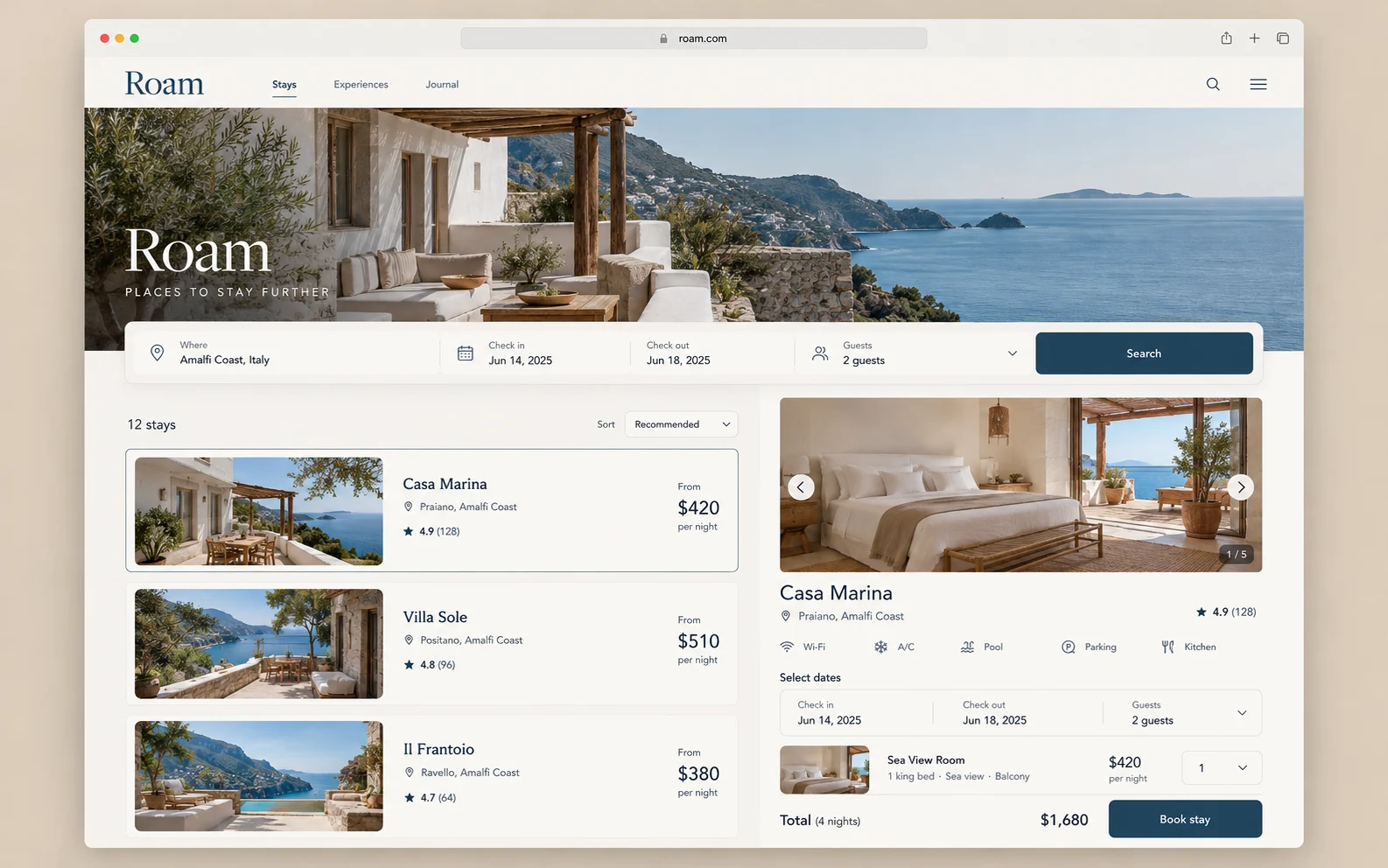
Roam is a travel booking website design study that connects a destination-led first impression with the practical details of a stay. Sand and ocean blue create a restrained setting for property photography, availability, room options, and booking review. The product direction keeps information close to the choice it supports rather than separating it across unrelated screens.
Travelers comparing a stay and operators managing property content, availability, and guest enquiries.
A traveler may choose a beautiful property before discovering that the dates, room options, or conditions do not fit. Roam explores a clearer path from search to review, where the selected dates and guests remain visible. The interface uses illustrative listings and does not claim a live inventory connection.
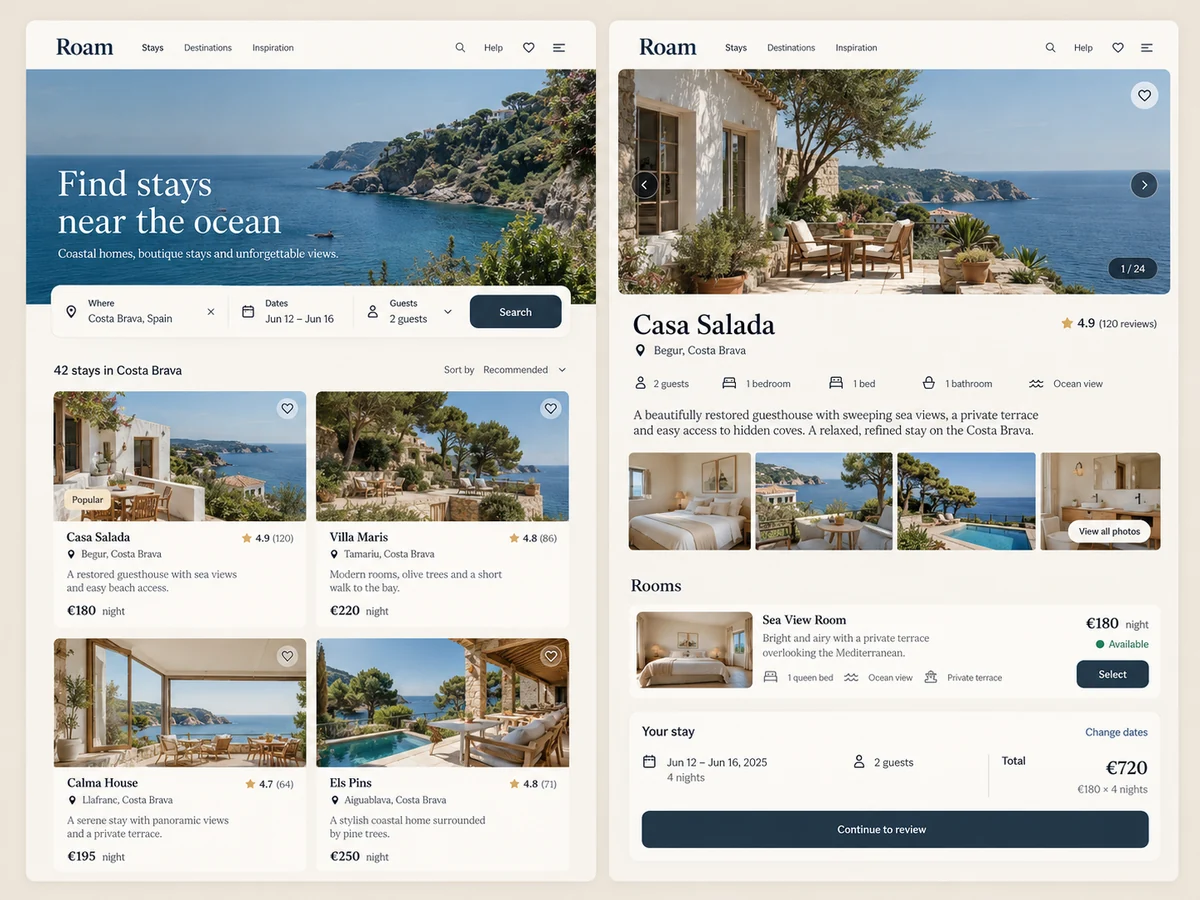
Search and property cards pair location imagery with concise stay information. Filters should reflect meaningful differences rather than an extensive list of decorative choices.
The property screen combines room options, selected dates, occupancy, and availability. A changed date should update the relevant information and explain when the selected room is no longer available.
The review step presents the stay, dates, guests, visible price components, and relevant conditions. A production version would verify those details against the booking provider before confirming a reservation.
The traveler chooses dates and guests, then compares listings with consistent information.
Room options, availability, and stay conditions remain connected to the original search context.
The user reviews the selected stay and the action’s conditions before entering the booking process.
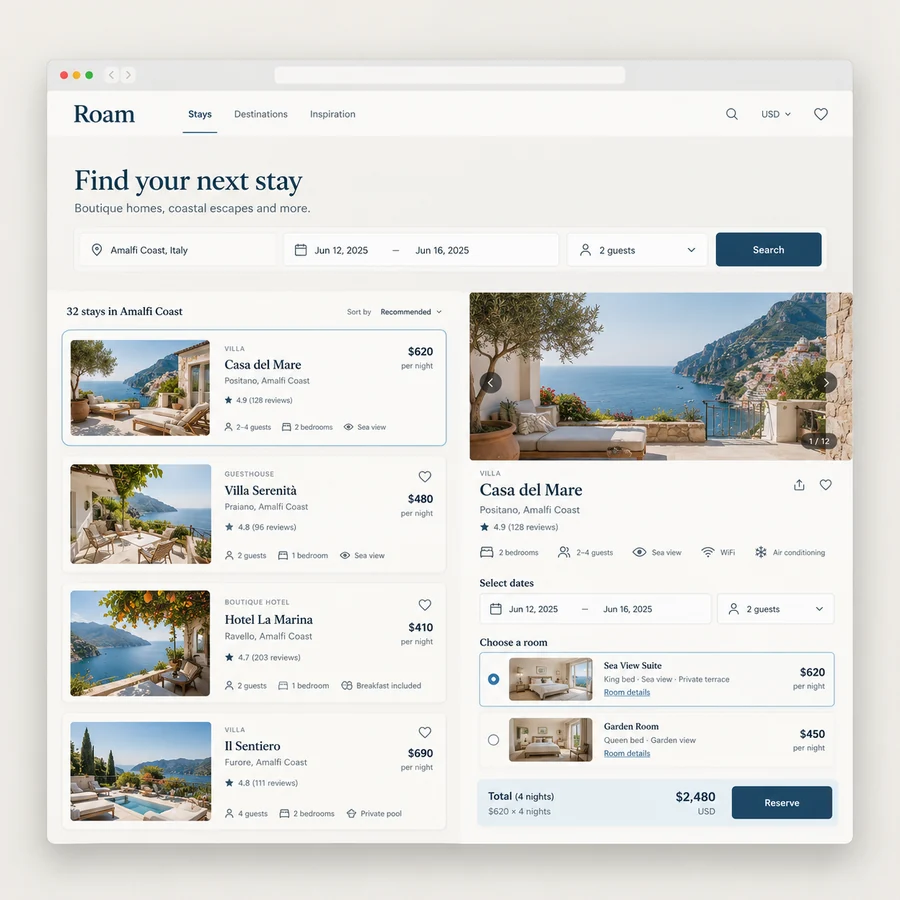
Inventory and pricing would be owned by an agreed booking system or service, with explicit update and failure behavior.
Content editing and availability management should be separate responsibilities.
Testing would include date boundaries, occupancy, unavailable inventory, and changed prices.
This study establishes a reviewable design direction. A production project would test the selected journey with representative users, realistic data, and agreed acceptance criteria. These questions define the next review without implying results have already been measured.
Share your audience, the task you want to improve, and the constraints that matter. We can discuss a scope built around your own context.
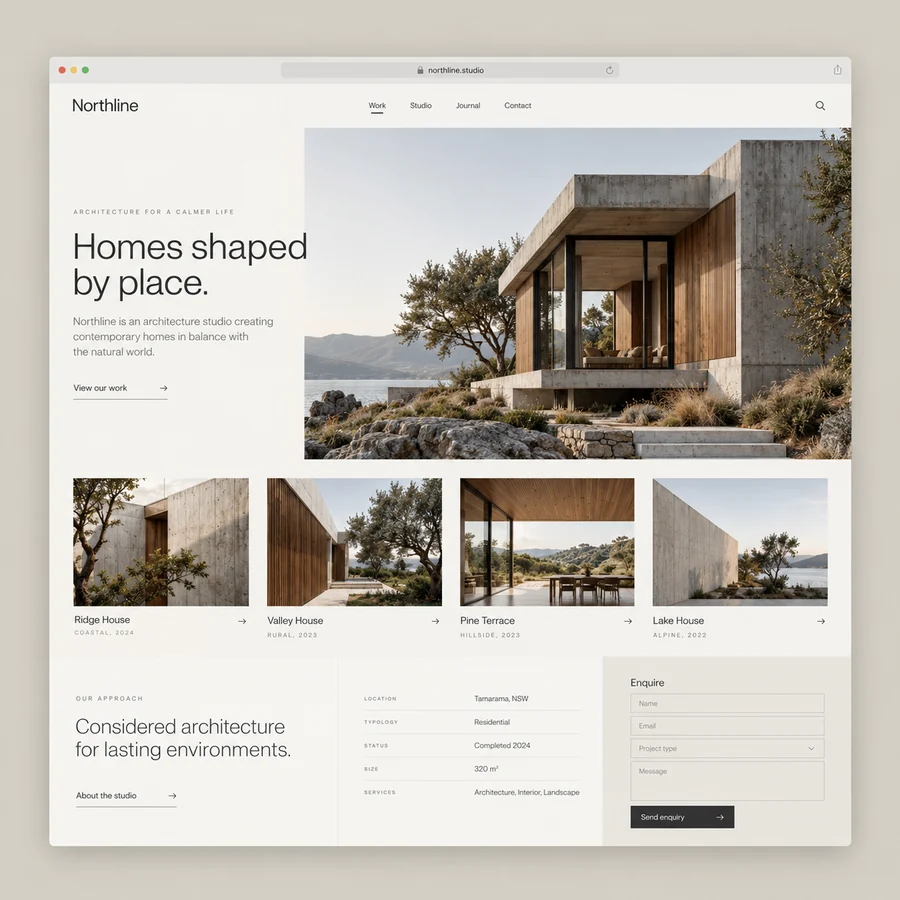
An architecture website concept using restrained typography, project photography, and a focused enquiry path.
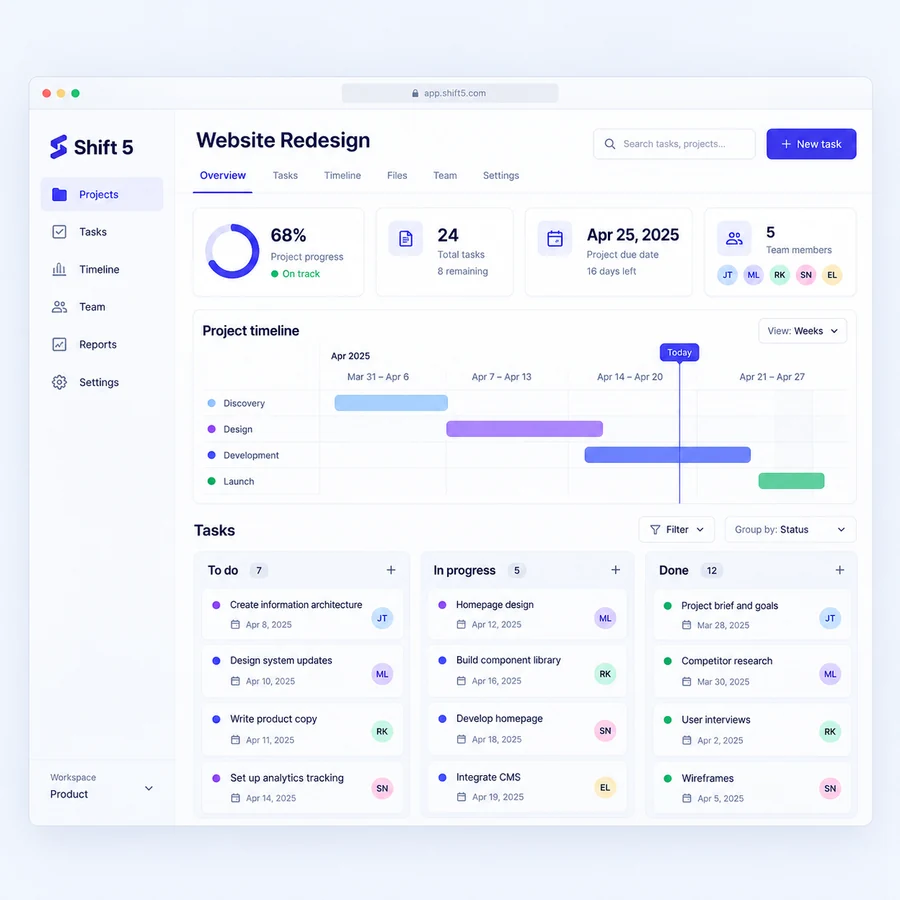
A project management design study connecting tasks, timelines, and ownership in a focused SaaS workspace.
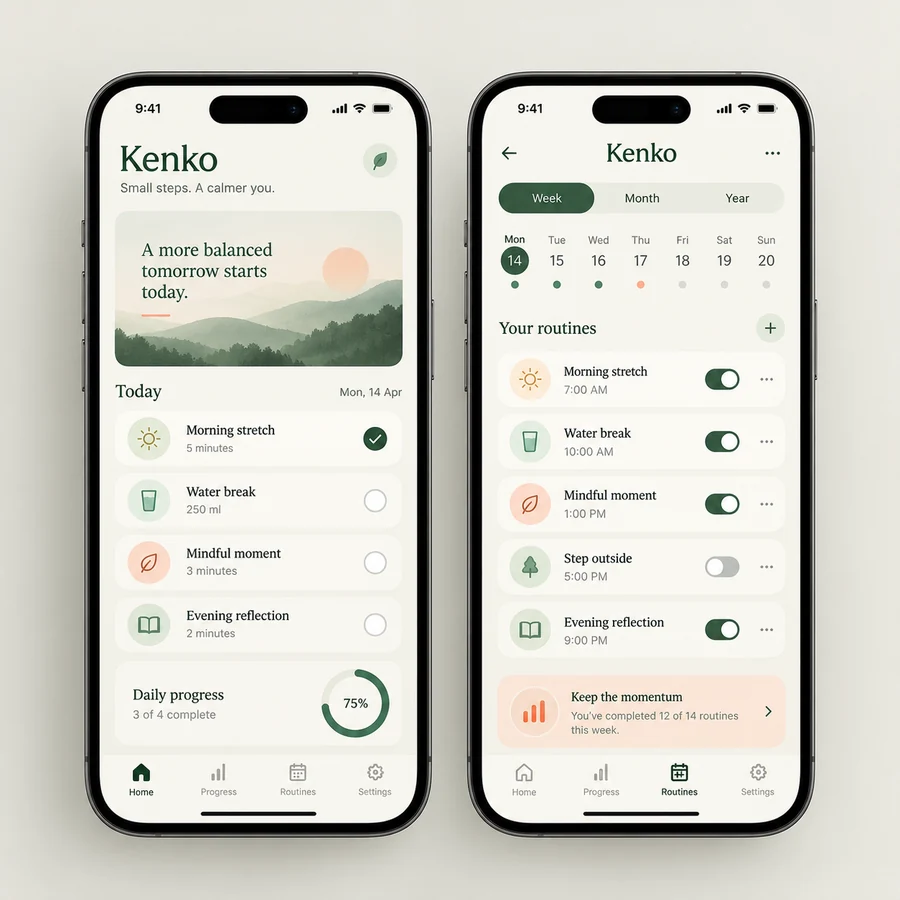
A mobile habit app concept with a clear daily view, manageable routines, and considerate progress feedback.