
A service selection that explains the choice
Services and locations are presented with concise descriptions and practical context. The user can review their selection before viewing time slots rather than relying on an unexplained specialty label.


One appointment. Fewer uncertain steps.
An appointment booking app design study with clear availability, booking review, and visit-management screens.
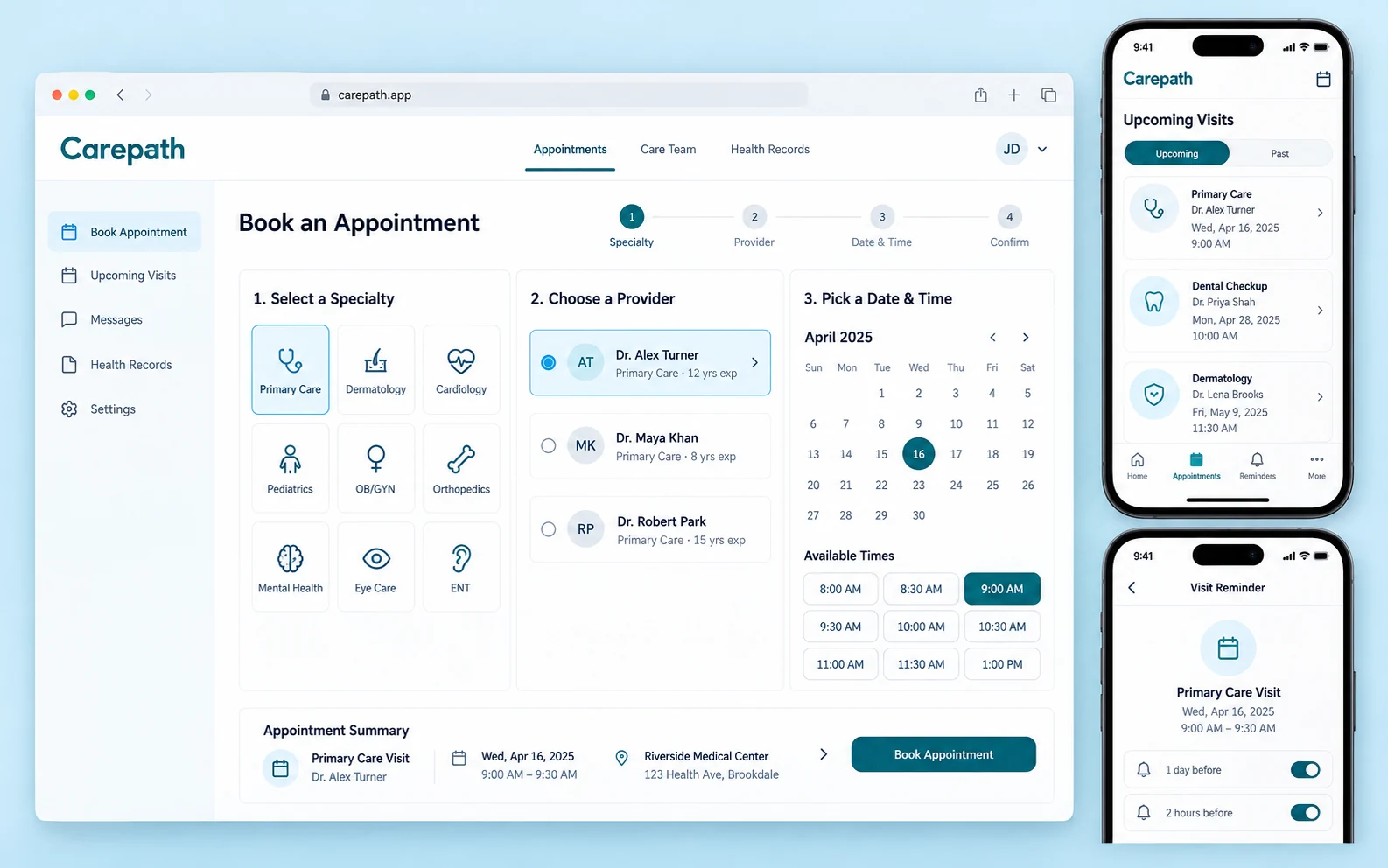
Carepath is an appointment booking mobile design study. White, sky blue, and deep teal surfaces create a calm hierarchy for choosing a service, reviewing availability, and managing a visit. The concept focuses on coordination and interface clarity, not clinical advice, diagnosis, or a live health-record system.
People arranging appointments and clinic staff coordinating availability and booking information.
A booking flow can leave a person unsure whether a time is still available, which location they selected, or whether the appointment was confirmed. Carepath studies a clear sequence that retains those details and explains changes. Production privacy and healthcare requirements would need review against the actual service and jurisdiction.
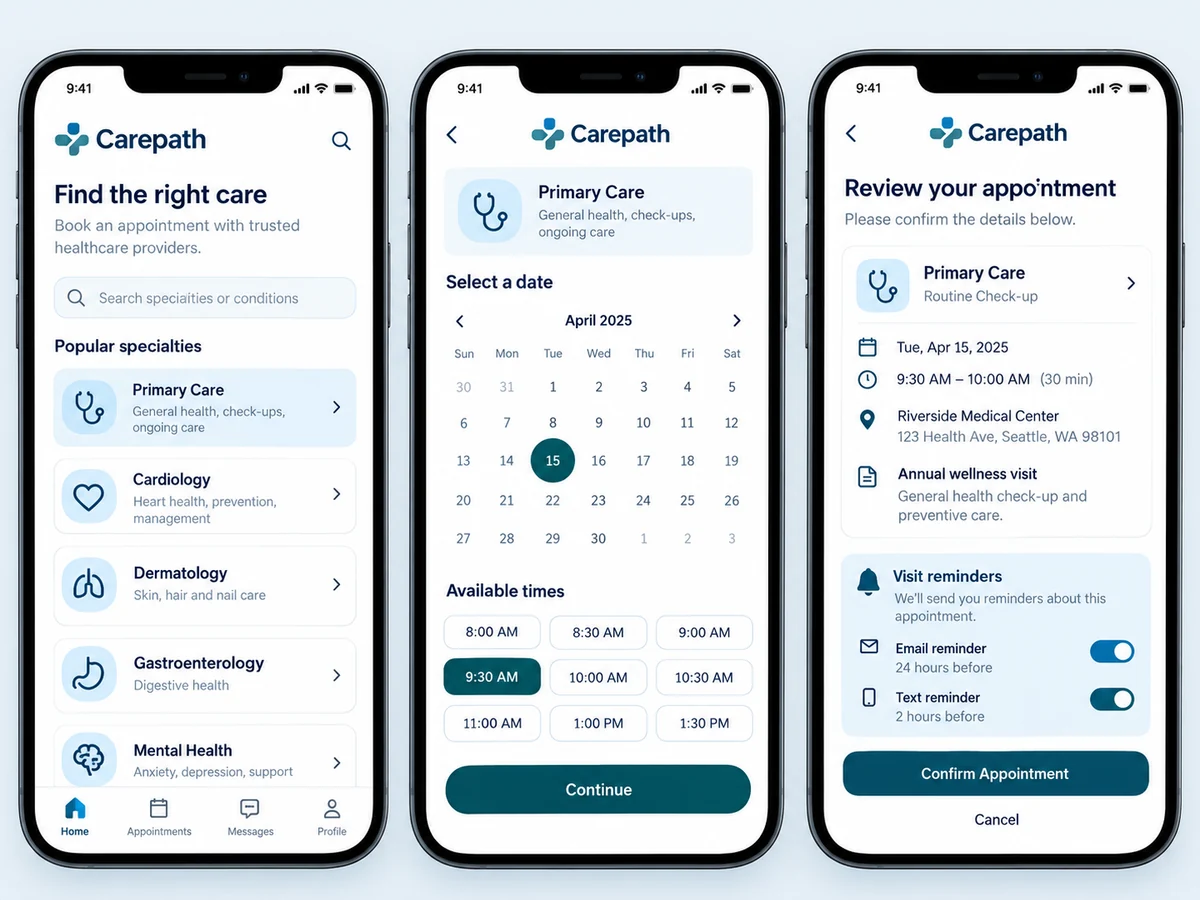
Services and locations are presented with concise descriptions and practical context. The user can review their selection before viewing time slots rather than relying on an unexplained specialty label.
The calendar and time-slot views distinguish unavailable times from selectable options. A review screen repeats the chosen service, location, and time before submitting a request.
The appointment screen separates requested and confirmed states and provides an understandable path for changes. Reminders and notifications would reflect the actual booking status rather than a presumed successful submission.
The user reviews the service and location and proceeds with a clear understanding of what they selected.
Availability is checked and the chosen details remain visible through the request step.
The user can inspect the verified status and the available options for changing or canceling the appointment.
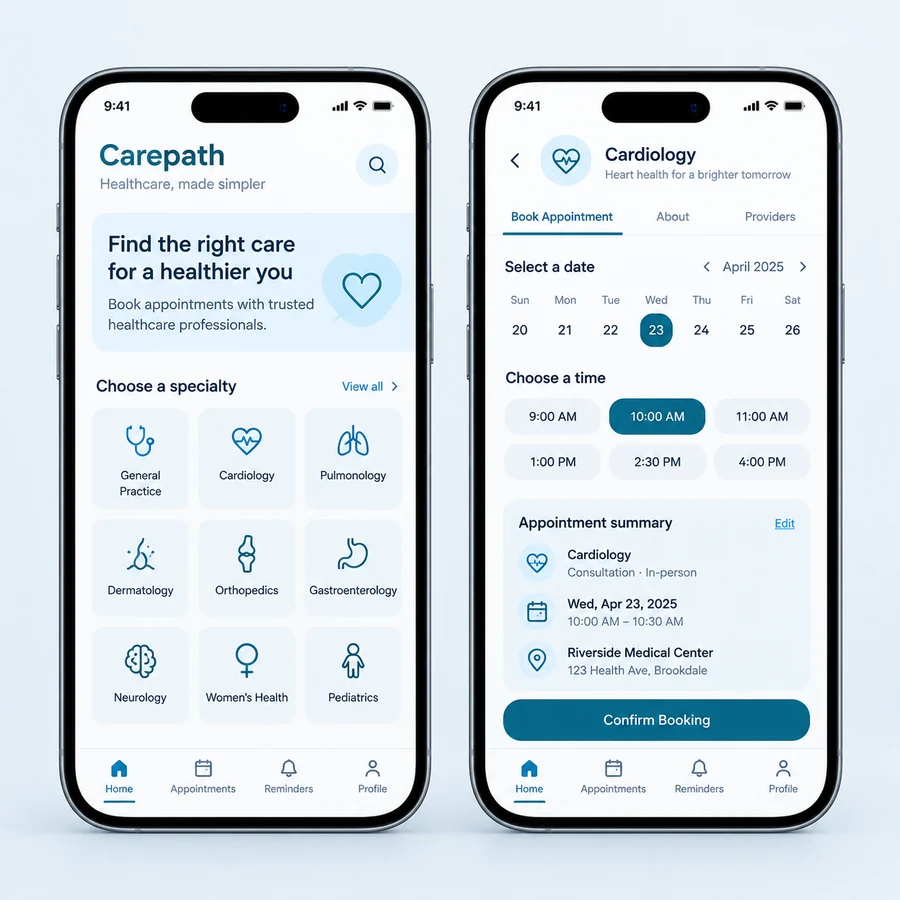
A proposed implementation would connect to the agreed scheduling service with explicit availability and booking contracts.
Personal data access, retention, and notification responsibilities would be defined with the responsible organization.
Testing would include time-zone boundaries, changed availability, duplicate requests, and interrupted connections.
This study establishes a reviewable design direction. A production project would test the selected journey with representative users, realistic data, and agreed acceptance criteria. These questions define the next review without implying results have already been measured.
Share your audience, the task you want to improve, and the constraints that matter. We can discuss a scope built around your own context.
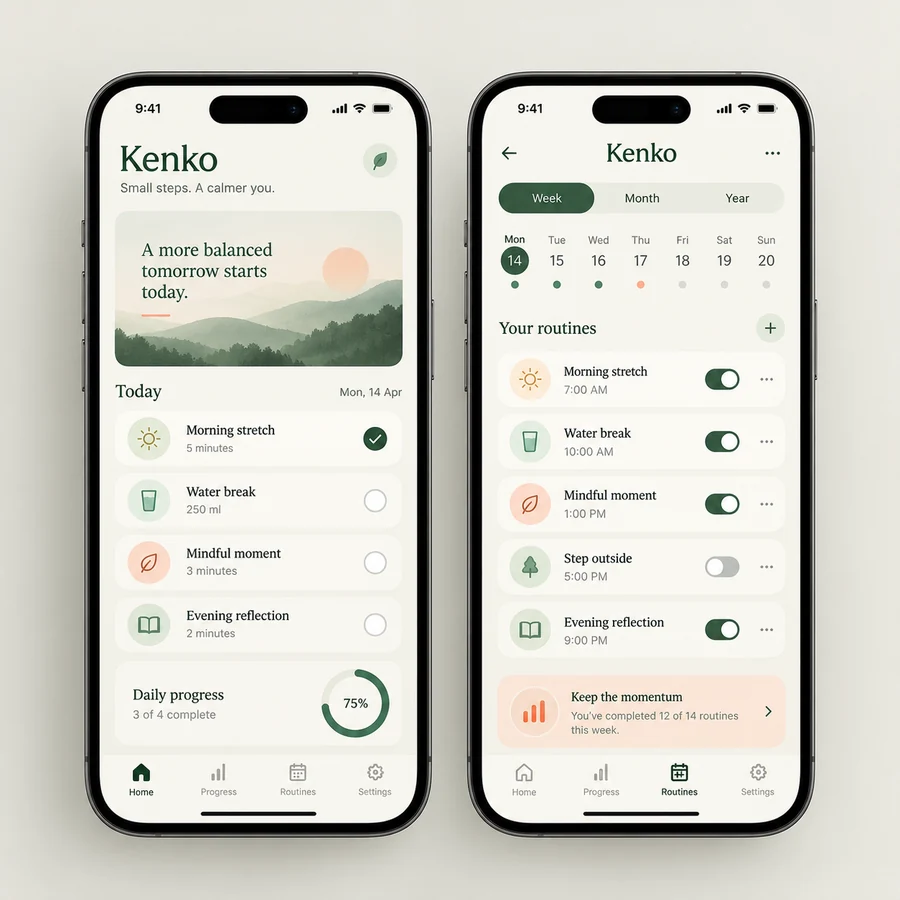
A mobile habit app concept with a clear daily view, manageable routines, and considerate progress feedback.
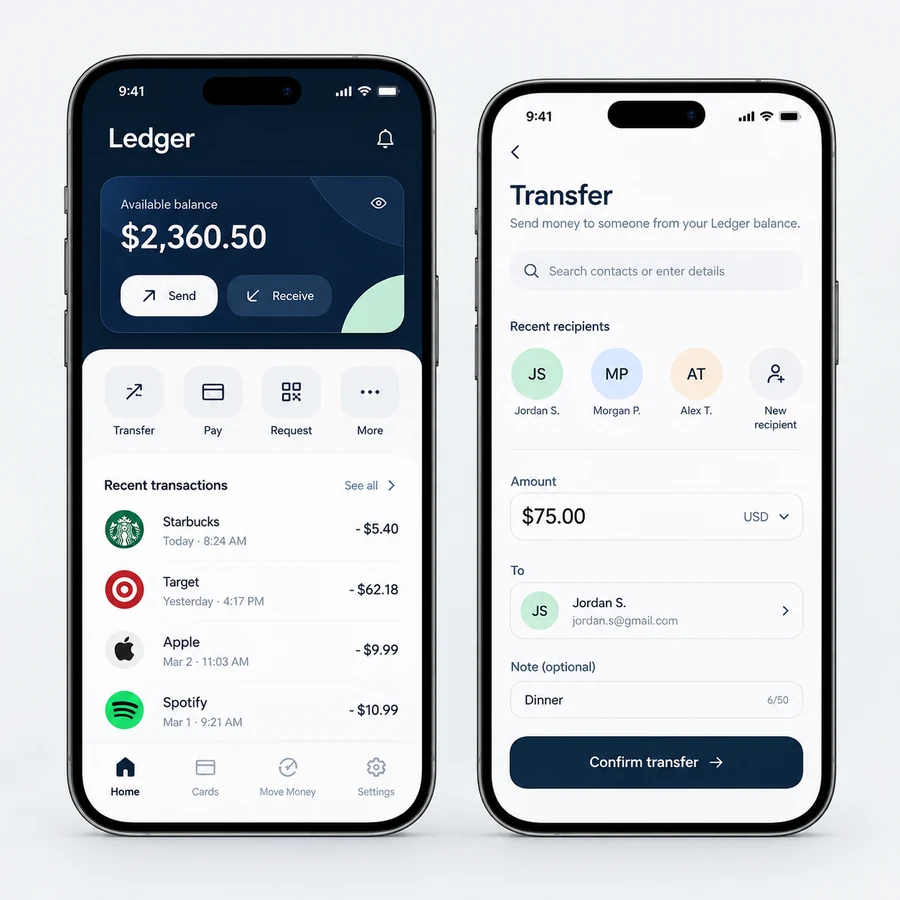
A digital wallet interface concept with readable account activity and deliberate transfer review.
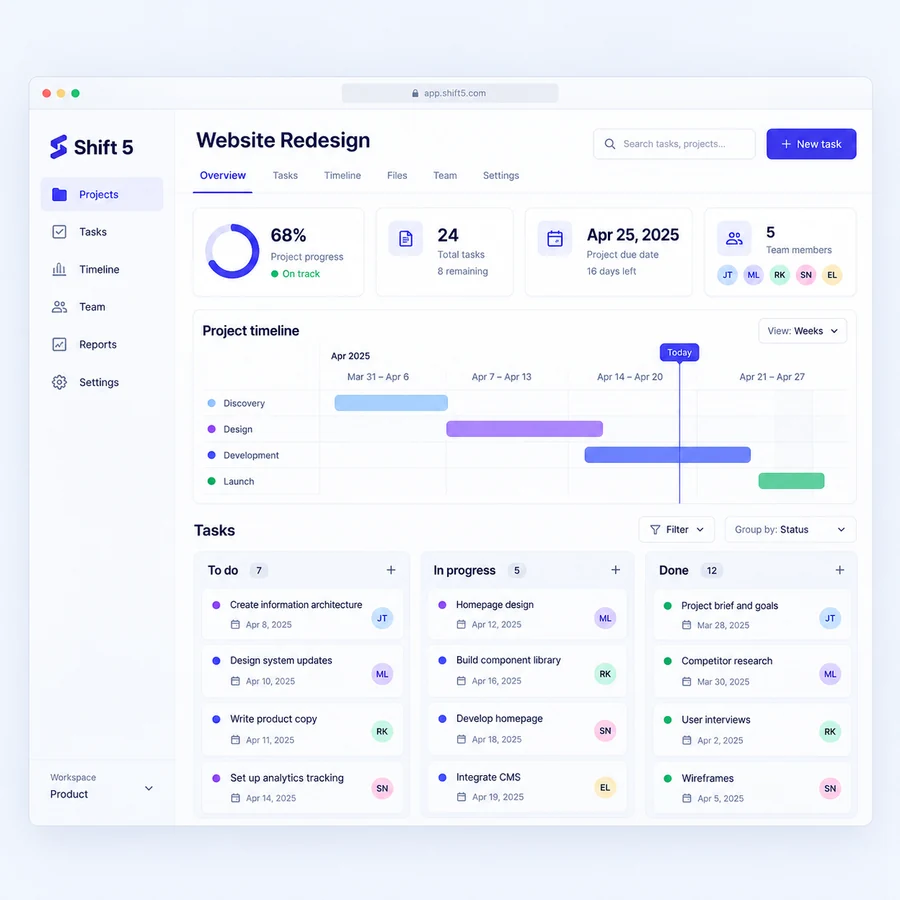
A project management design study connecting tasks, timelines, and ownership in a focused SaaS workspace.